Foundation Crack Sealing in Greenville, SC
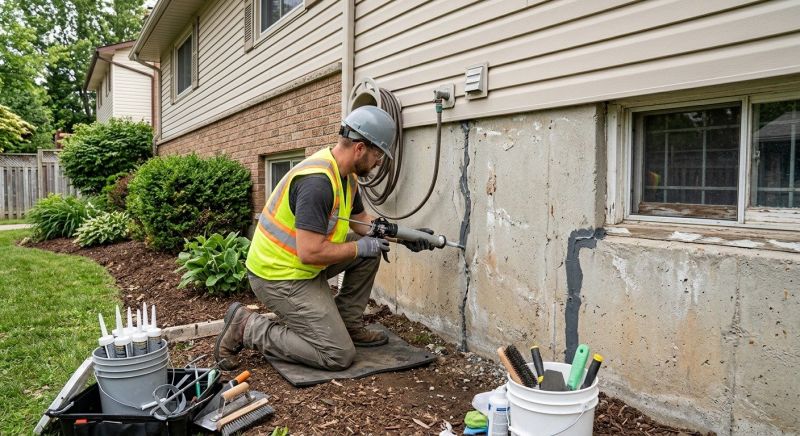
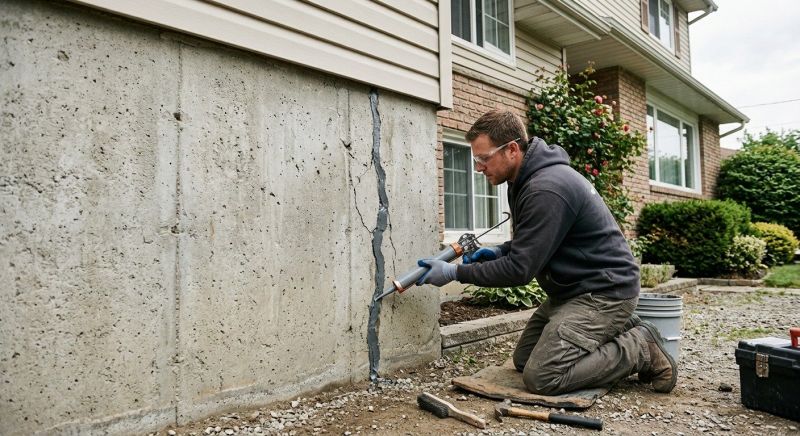
Foundation crack sealing involves applying specialized materials to close and reinforce existing cracks in a property's foundation. This service is suitable for various types of cracks, including minor surface fractures and larger structural splits, helping to prevent water infiltration, reduce further damage, and maintain the stability of the building. Property owners often seek this service when noticing cracks on basement walls or foundation surfaces, especially if they are concerned about moisture issues or potential structural concerns.
Before requesting foundation crack sealing, homeowners typically want to understand the extent of the cracks, the causes behind their development, and whether the cracks are active or stable. It’s important to assess if the cracks are a result of settling, moisture changes, or other underlying issues. Proper evaluation can help determine if sealing is sufficient or if additional repairs are necessary to ensure long-term foundation integrity.
Many property owners in Greenville, SC look into Foundation Crack Sealing for repairs, replacements, upgrades, and appearance-related improvements.
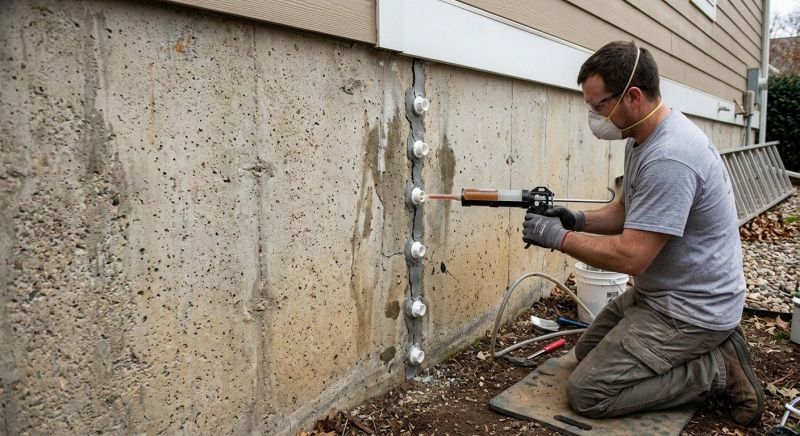
Identifying Foundation Cracks
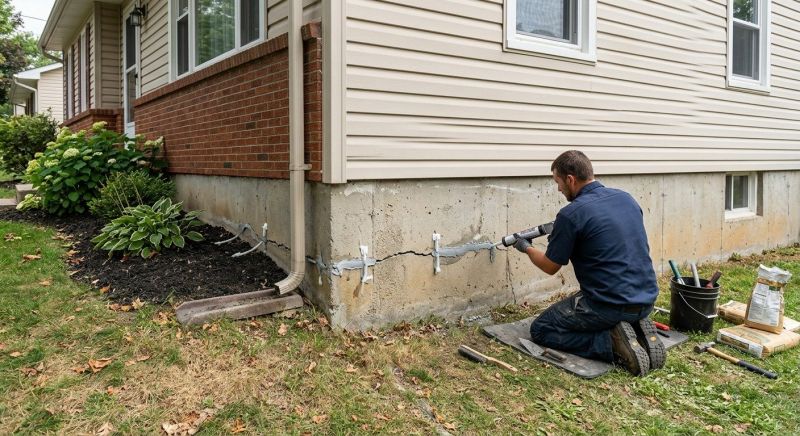
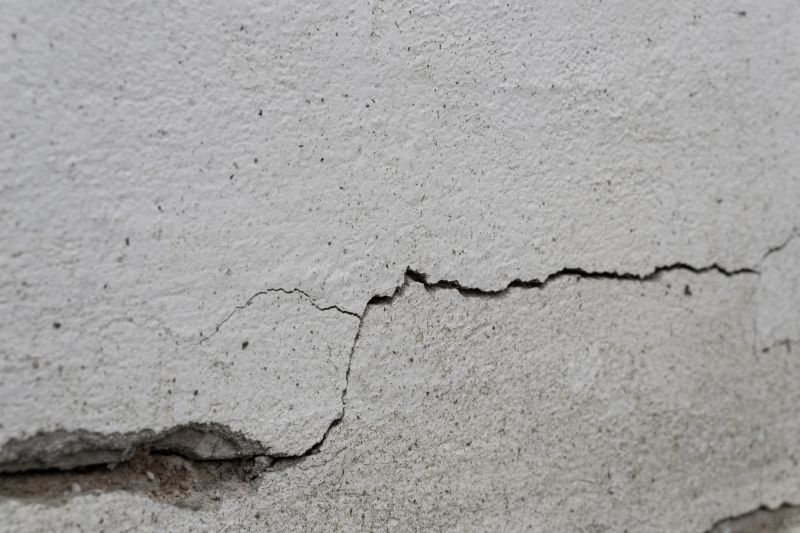
Cracks in basement walls or floors can indicate underlying foundation issues that need attention.
Benefits Of Crack Sealing
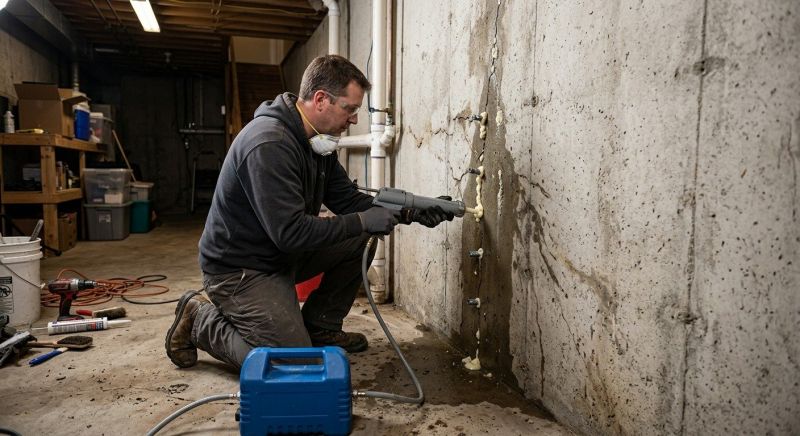
Sealing foundation cracks helps prevent water intrusion and further structural damage.
Common Causes In Greenville Homes
Foundation cracks often result from soil movement, temperature changes, or settling over time.
Foundation Crack Sealing in Greenville, SC
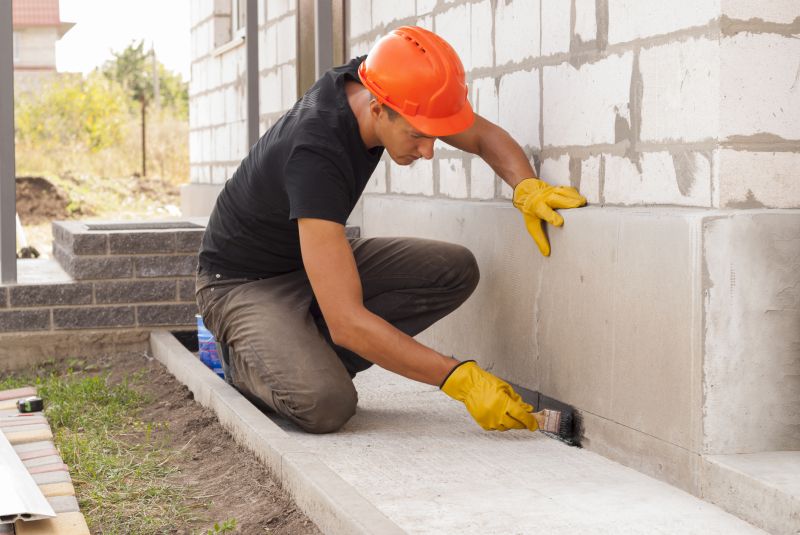
Foundation crack sealing involves applying specialized materials to close and reinforce existing cracks in a property's foundation. This service is suitable for various types of cracks, including minor surface fractures and larger structural splits, helping to prevent water infiltration, reduce further damage, and maintain the stability of the building. Property owners often seek this service when noticing cracks on basement walls or foundation surfaces, especially if they are concerned about moisture issues or potential structural concerns.
Before requesting foundation crack sealing, homeowners typically want to understand the extent of the cracks, the causes behind their development, and whether the cracks are active or stable. It’s important to assess if the cracks are a result of settling, moisture changes, or other underlying issues. Proper evaluation can help determine if sealing is sufficient or if additional repairs are necessary to ensure long-term foundation integrity.
Many property owners in Greenville, SC look into Foundation Crack Sealing for repairs, replacements, upgrades, and appearance-related improvements.
Common Foundation Crack Sealing Jobs
Foundation Crack Sealing - helps prevent water infiltration and further structural damage.
Basement Wall Cracks - seals gaps to maintain basement integrity and reduce moisture issues.
Concrete Foundation Joints - fills expansion joints to prevent movement and cracking.
Vertical and Horizontal Cracks - addresses both types to stabilize the foundation and avoid settling.
Pre-Construction Sealing - applied during new builds to minimize future crack development.
Repair of Existing Cracks - restores foundation stability and protects the property from water damage.
Foundation Crack Sealing Questions
What causes foundation cracks? Foundation cracks can result from soil movement, settling, or moisture changes around the property.
Are all foundation cracks a sign of serious problems? Not all cracks indicate structural issues; some are minor and harmless, but larger or expanding cracks may need inspection.
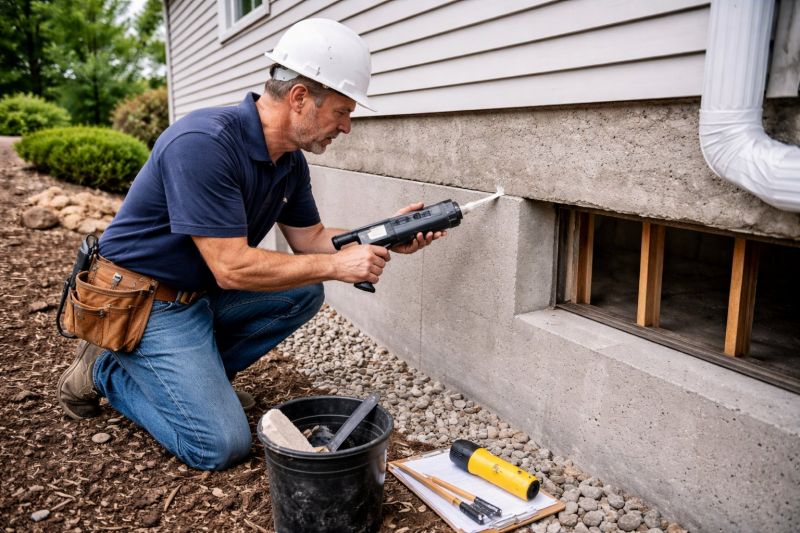
How does crack sealing help a foundation? Sealing cracks prevents water infiltration, which can cause further damage and deterioration over time.
When should foundation crack sealing be performed? Crack sealing is best done when cracks are small and before they expand or lead to other foundation issues.
Request Foundation Crack Sealing in Greenville, SC
Use the quote form on this page to share the basics of your project and request more information for the type of work you need.